Why Play, Curiosity, and Joy Are Essential for Learning
How joyful classrooms improve student engagement, creativity, and emotional well-being
In many schools today, classrooms are filled with pressure: standards to meet, assessments to prepare for, and curriculum pacing guides that rarely slow down. Teachers are asked to cover more content, manage more behaviors, and close more learning gaps than ever before.
In that environment, play and joy can begin to feel like distractions from learning rather than essential parts of it.
But research and classroom experience suggest the opposite.
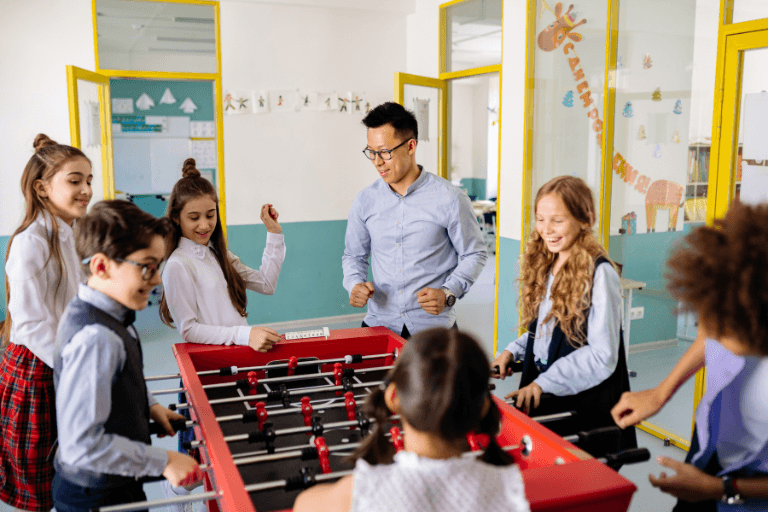
Joy, curiosity, and play are not extras. They are powerful drivers of engagement, motivation, and deep learning. When students experience curiosity and positive emotion in the classroom, their brains become more open to exploration, creativity, and problem-solving.
In fact, in Teach Happy: Small Steps to Big Joy, Kim Strobel explains that play is not just for young children. It is a fundamental human need that helps both students and teachers reconnect with curiosity, creativity, and emotional well-being.
When classrooms create space for play and curiosity, learning becomes something students participate in, not something that is simply delivered to them.
Learning and Joy Are Deeply Connected
For decades, educational systems have often treated joy and rigor as opposites. The assumption has been that learning requires seriousness: quiet classrooms, strict structures, and controlled instruction.
However, neuroscience tells a different story…
Positive emotions such as curiosity, enjoyment, and excitement activate the brain’s reward systems, boosting attention, memory retention, and cognitive flexibility. When students feel safe, interested, and emotionally engaged, they are more likely to take intellectual risks, ask questions, and persist through challenges. They are also more likely to remember better.
In other words, joy helps the brain learn.
Curiosity acts as a cognitive spark. When students are curious, they become active participants in the learning process. Instead of waiting for information, they seek it out. Instead of avoiding challenges, they explore them.
This is why classrooms that include play, exploration, and creativity often see higher engagement and deeper understanding.
Play Is Not the Opposite of Learning
Play is often misunderstood in education. It can be seen as something that belongs in recess, early childhood classrooms, or after academic work is finished.
But play is actually one of the most natural ways humans learn.
Play encourages experimentation, imagination, and discovery. It allows students to test ideas, make mistakes, and try again without fear of failure. When students feel safe to explore and experiment, their confidence grows alongside their knowledge.
In Teach Happy, Strobel describes play as a powerful way to reconnect with creativity and energy in both teaching and learning. When play and curiosity are present in a classroom, the atmosphere shifts. Students become more engaged, collaborative, and motivated to participate.
Learning becomes something they experience rather than something they endure.
Curiosity Drives Deeper Thinking
One of the most powerful forces in education is curiosity.
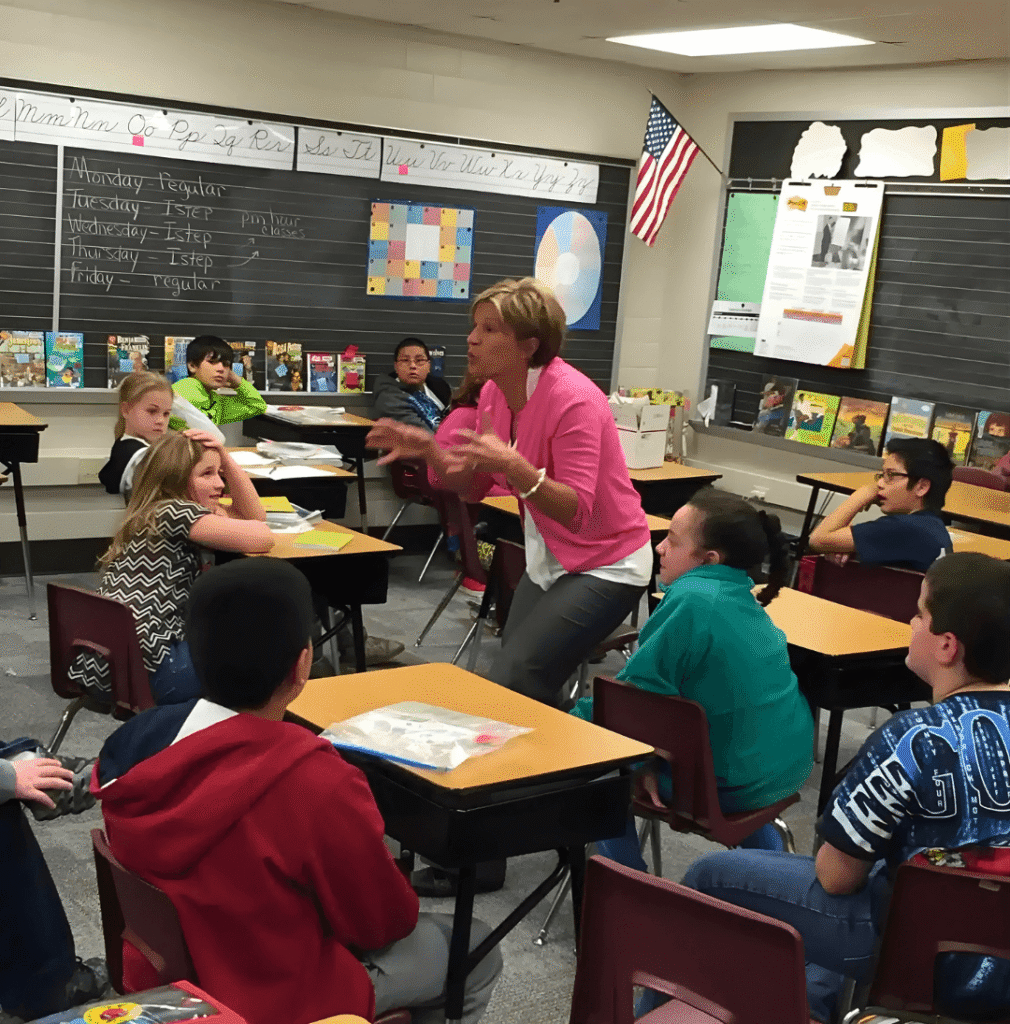
When students are curious, they naturally begin asking questions. Those questions lead to exploration, discussion, and critical thinking. Instead of memorizing information, students begin constructing understanding.
Curiosity transforms the role of the student from passive listener to active learner.
Teachers can nurture curiosity by creating environments where questions are welcomed, exploration is encouraged, and students are allowed to wonder. When curiosity drives the learning process, students become more invested in what they are discovering.
Giving students ownership in the learning process strengthens their motivation.
Joy Strengthens Classroom Relationships
Joy in the classroom does more than support academic learning. It also strengthens relationships.
Moments of laughter, creativity, and shared discovery build trust between students and teachers. They create a classroom climate where students feel safe to participate and take risks.
When students feel emotionally connected to their classroom environment, they are more willing to engage, collaborate, and support one another.
These moments of joy help create a sense of belonging, which is one of the strongest predictors of student engagement and well-being.
Simple Ways Teachers Can Bring More Joy Into Learning
Creating joyful classrooms does not require completely redesigning the curriculum or abandoning academic rigor. Often, small shifts in how learning is presented can create powerful changes in engagement.
Teachers can nurture play and curiosity by:
Encouraging student questions Allow time for students to ask “why” and “what if” questions that extend beyond the lesson.
Adding movement and creativity Hands-on activities, movement, and creative expression help activate different parts of the brain.
Creating moments of exploration Invite students to investigate ideas, experiment with solutions, and share discoveries.
Using curiosity to introduce lessons Start lessons with a surprising fact, a question, or a real-world problem students want to solve.
Celebrating effort and discovery Focus not only on correct answers but also on exploration, creativity, and persistence.
These small moments of curiosity and creativity can transform the energy of a classroom.
Joy Makes Learning Sustainable
For students, joy increases engagement and motivation.
Teaching can be demanding and emotionally intense. For teachers, joy can restore a sense of meaning and connection to the profession. It also helps restore the human side of learning.
In Teach Happy, Strobel reminds educators that happiness and well-being are not luxuries in education. They are foundations for thriving classrooms and thriving teachers.
Joy does not replace rigor.
Joy makes learning possible.
Education does not have to choose between academic excellence and emotional well-being.
Why Play, Curiosity, and Joy Are Essential for Learning Individual Pay via PO
Provide us with the information below, and someone from our support team will be in touch within 48 business hours. Once payment is received, you will receive access to the workshop.
Why Play, Curiosity, and Joy Are Essential for Learning Custom Quote Request
Why Play, Curiosity, and Joy Are Essential for Learning Custom Quote Request
Place A Bulk Order
For bulk orders of 10 or more copies, we offer a special rate of just $15 per book. To place your bulk order, please fill out the form below with your details and the desired quantity. Our team will respond promptly to finalize your order.